

Industrial settings are experiencing a major evolution, with automation fundamentally changing the way warehouses and production hubs operate. At the center of this transformation is the convergence of intelligent storage solutions and automated systems, which together are driving enhanced accuracy, quicker workflows, and smarter space management. As digital frameworks integrate more seamlessly with flexible storage infrastructure, businesses are tapping into new operational efficiencies and laying the foundation for scalable growth.
Traditional methods like fixed shelving and manual stock control are becoming obsolete. Static warehouse designs—once reliant on intensive human labor—are giving way to cutting-edge solutions such as Automated Storage and Retrieval Systems (AS/RS). These vertically oriented robotic systems streamline access to goods, reduce inventory mistakes, and optimize vertical space that often goes unused. For companies juggling a rising number of SKUs or adapting to the pressures of online retail, AS/RS offers the speed and agility that today’s logistics demand.
Equally vital is the way items move throughout a facility. Industrial-grade material handling systems are increasingly automated, promoting seamless flow between manufacturing zones, inventory areas, and packing stations. Many are now built with autonomous features and supported by robust, heavy-duty racking capable of withstanding the rigorous pace of modern operations.
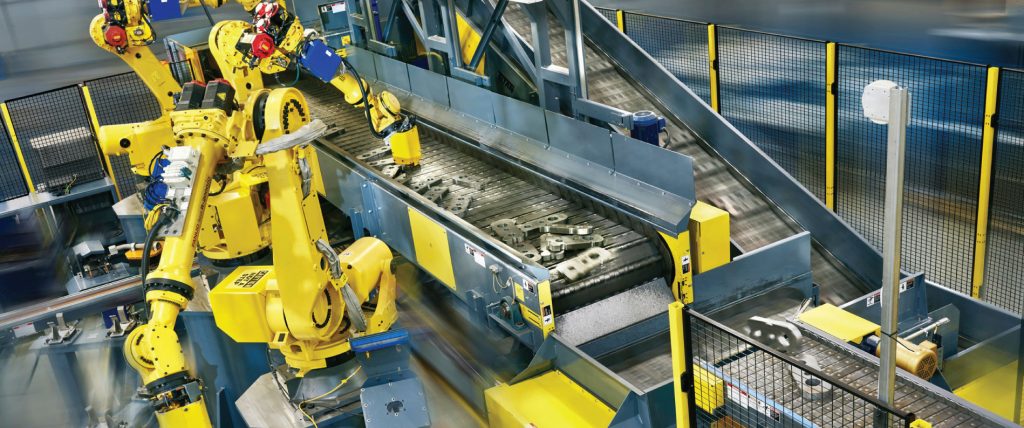
The impact of automation extends well beyond storage. Technologies like robotic arms, automated guided vehicles (AGVs), and smart conveyor systems work alongside storage tools to remove friction from materials handling. AGVs shuttle goods between departments, robots handle sorting and positioning with precision, and conveyor systems maintain a steady pace across production—accelerating output and minimizing downtime.
One of the most compelling advantages of today’s automated storage technologies is adaptability. Systems like AS/RS are modular by design, allowing facilities to reconfigure or expand them with ease as demands shift. This flexibility eliminates the need for costly infrastructure overhauls and empowers organizations to pivot quickly in response to market or supply chain fluctuations.
Looking to the future, artificial intelligence and machine learning will play an even greater role. These technologies can track usage patterns, predict inventory needs, and dynamically adjust configurations, transforming static storage into a responsive ecosystem that continually refines itself for optimal efficiency.
For a deeper look at how automation is transforming industrial storage, explore the infographic below.
Content provided by HDCI company, providers of heavy duty commercial and industrial storage solutions
