

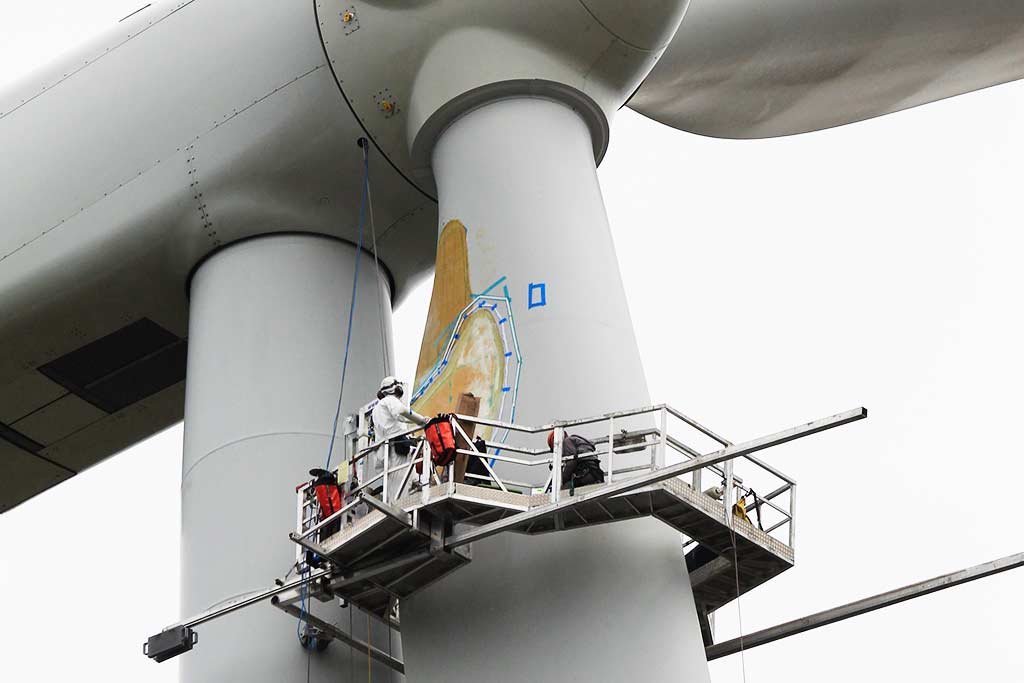
Ensuring wind turbine blades remain in peak condition is vital for maintaining steady energy production and safeguarding the overall system’s durability. As the role of wind power becomes more prominent, so too does the need for smart, effective maintenance plans—particularly those tailored to the unique demands of blade upkeep in remote or high-stress environments.
Starting a preventive maintenance program early in a turbine’s lifecycle can deliver substantial advantages. Catching and resolving minor issues before they escalate helps avert costly damage and lowers the risk of unexpected equipment breakdowns. Neglecting routine inspections or delaying essential servicing often leads to significant fallout: unscheduled downtimes can drain more than $1,600 in daily revenue. Seen this way, consistent maintenance is more than a best practice—it’s a vital financial strategy that also extends component longevity and bolsters energy reliability over time.
In harder-to-reach areas or locations with extreme weather, the challenges of maintaining wind turbines multiply. Harsh climates, difficult access routes, and remote positioning make timely repairs both logistically and financially taxing. These conditions underscore the need for meticulous planning, streamlined execution, and efficient use of resources. A growing trend aimed at easing these burdens is the material kitting process. This approach involves bundling all essential consumables—such as vacuum bagging film, sealant tape, release fabric, and breather layers—into ready-to-go, task-specific kits. By organizing everything technicians need in advance, the process significantly reduces on-site prep time, lowers the chance of mistakes, and helps limit material waste.
More than just a logistical convenience, kitting provides real-world efficiency. When every hour in the field counts, having a preassembled kit means technicians won’t lose precious time sourcing missing parts or troubleshooting mismatched supplies. This is especially crucial during short weather windows or limited daylight hours, when even minor delays can cascade into major setbacks.
Budget constraints add another layer of complexity. With operators often expected to stretch their resources, smart allocation becomes critical. Fortunately, recent advances in diagnostic technologies now enable teams to pinpoint internal blade damage before it becomes externally visible. This allows crews to focus their efforts where they’re truly needed, minimizing time and costs associated with broader manual inspections.
Improvements in resin application and control have also elevated the quality of blade repairs. Technicians can now apply materials with more accuracy, ensuring stronger, more consistent results while cutting down on waste. This level of control is particularly valuable in high-altitude or field-based environments where conditions can be unpredictable.
At the same time, environmental considerations are taking a more central role in maintenance planning. While wind power already offers a greener alternative, the industry is increasingly being called to ensure that repair methods themselves are sustainable. Reducing excess material use, selecting recyclable components, and minimizing repeat work all support this broader ecological mission.
As wind energy continues to scale, addressing these maintenance complexities will be key to maximizing performance and return on investment. Explore the infographic below to see how modern repair approaches are driving a cleaner, more efficient future for wind turbine operations.
