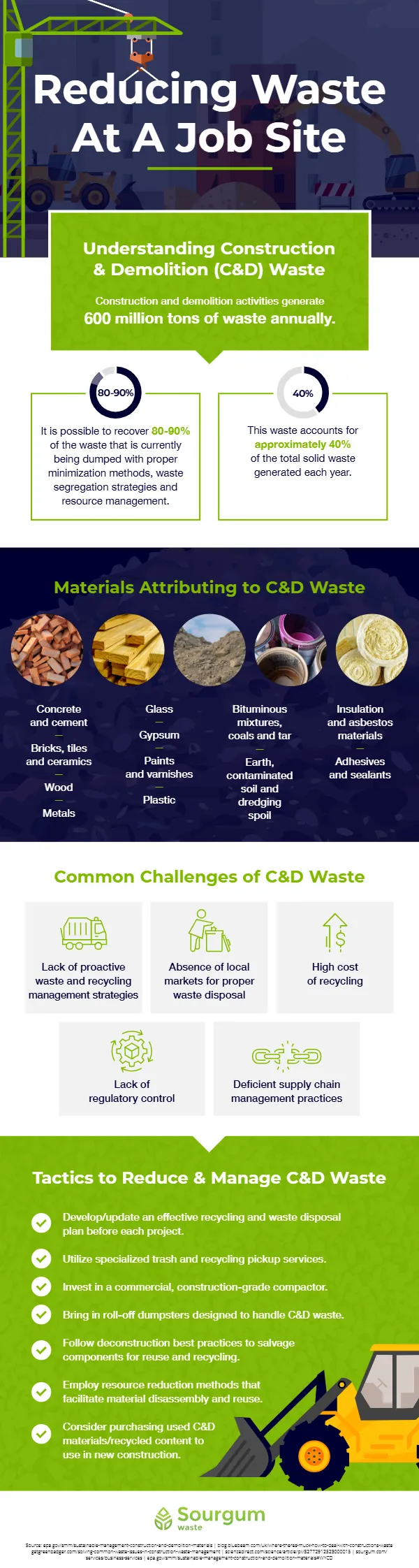

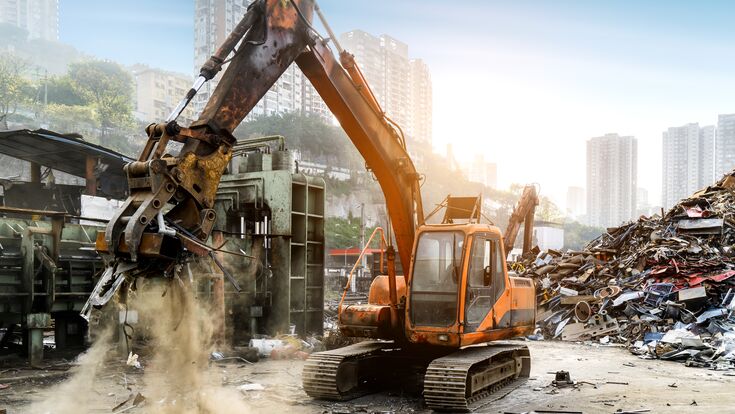
The construction and demolition (C&D) industry plays a pivotal role in supporting the growing global population through the development of housing, commercial buildings, and essential infrastructure. However, this expansion comes with significant environmental consequences, particularly the generation of C&D waste. Globally, this category accounts for an astonishing 40% of total solid waste annually, with the United States alone contributing nearly 100 million tons each year.
While some waste is inevitable, there are numerous strategies to significantly reduce the volume generated. By adopting these approaches, C&D companies of all sizes can not only mitigate environmental harm but also improve operational efficiency and cost-effectiveness.
Understanding the Root Causes of C&D Waste
The first step toward effective waste reduction is identifying the primary causes. A major contributor is the lack of waste-conscious design measures during the planning phase. Research by environmental engineers suggests that design-related factors alone are responsible for approximately 33% of all construction waste. Additional causes include design errors or last-minute changes, inadequate material handling and storage, poor on-site management, inefficient processing methods, and limited awareness of local recycling and disposal resources.
With these challenges in mind, C&D companies must adopt a proactive approach to waste management throughout the project lifecycle.
Key Strategies for Waste Reduction
- Develop Comprehensive Waste Management Plans A well-structured plan should be established at the outset of every project. This plan should account for the type of materials being used, the scale of the project, and the availability of recycling and disposal services in the area. It should include measures to minimize waste generation and facilitate proper disposal. Strategies might involve contracting specialized recycling services, using roll-off dumpsters for designated waste categories, and employing industrial compactors to streamline waste handling.
- Prioritize Deconstruction Over Demolition Where feasible, opt for deconstruction rather than traditional demolition. Deconstruction involves carefully disassembling a building to salvage reusable materials, such as wood, metal, and fixtures. This method reduces the environmental impact by cutting down on landfill contributions and preventing the release of toxic substances often associated with conventional demolition.
- Optimize Material Usage Efficient material handling and procurement are essential to reducing waste. This includes ordering materials in precise quantities, ensuring proper storage to prevent damage, and repurposing offcuts or surplus materials. Additionally, sourcing recycled or sustainably produced materials can further reduce the environmental footprint.
- Improve On-Site Practices Effective site management is critical for minimizing waste. Strategies include clear labeling of waste and recycling bins, conducting regular training for workers on sustainable practices, and maintaining ongoing communication with all stakeholders to address design changes or inefficiencies promptly.
By incorporating these strategies, the C&D industry can move toward more sustainable practices while achieving significant cost savings. To explore additional tactics and resources, consult the accompanying guide, courtesy of Sourgum Waste.