

Producing high-quality output at maximum efficiency is a common goal across industries, but achieving it often presents a real challenge. Many companies find themselves forced to choose between ramping up production and maintaining consistent quality. However, with the right strategies, it’s possible to strike a balance—boosting throughput while still delivering reliable, high-standard results.
One important consideration is the condition of the materials being processed. Variations in material size, moisture levels, or composition can lead to inconsistencies that become more pronounced at higher production speeds. By implementing strict quality control measures at the start of the process, businesses can ensure that the raw materials meet certain standards before they ever reach the production line. This proactive approach minimizes the chance of issues down the line and helps maintain quality even as output rises.
Standardized operating procedures and well-trained staff also play a crucial role. When operators understand the nuances of their equipment and the materials they’re working with, they can make adjustments in real-time to maintain both quality and efficiency. They can spot problems before they escalate, ensuring that higher throughput doesn’t mean cutting corners. Proper training and a clear set of procedures give operators the confidence to keep the process running smoothly, even under increased demands.
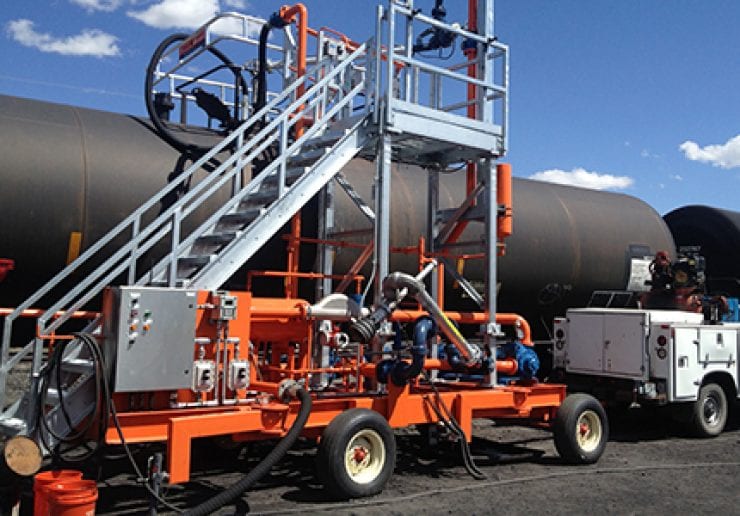
Incorporating a portable transloader into the workflow at the right point can make a significant difference. This type of equipment provides the flexibility to move materials quickly and efficiently between locations, reducing potential bottlenecks without compromising quality. The right equipment not only improves speed but also maintains the precision needed to avoid contamination, spillage, or inconsistencies in the final product.
Technology can also be a powerful ally in maximizing throughput without compromising quality. Automated monitoring systems, for example, provide constant feedback on performance and quality metrics. With real-time data, operators can quickly identify potential bottlenecks or areas where the process is starting to slip out of specification. By catching these issues early, adjustments can be made before they affect the final product. Over time, the insight gained from these systems allows for continuous improvement, helping the operation reach new levels of efficiency and quality control.
Regular maintenance is another pillar of success. It’s easy to overlook upkeep when production schedules are tight, but a well-maintained system runs more consistently and produces better results. Proactive maintenance helps ensure that equipment continues to function at peak capacity, reducing the risk of breakdowns or fluctuations in performance. This stability is crucial when trying to maintain quality at higher production levels.
Finally, clear communication across the entire team ensures that everyone understands the dual goal of maximizing throughput and maintaining quality. By fostering a culture where quality is viewed as equally important as efficiency, you create an environment where both objectives are achievable. Employees are more likely to take pride in their work and strive to meet the dual challenge, rather than viewing it as an impossible trade-off.
In the end, achieving higher throughput without sacrificing quality comes down to a combination of advanced equipment, quality control measures, staff training, technological support, maintenance, and a strong organizational mindset. By focusing on these areas, companies can produce more, faster, while still upholding the standards that set them apart. The result is an operation that not only meets increasing demands but does so without losing sight of the quality that keeps customers coming back.