

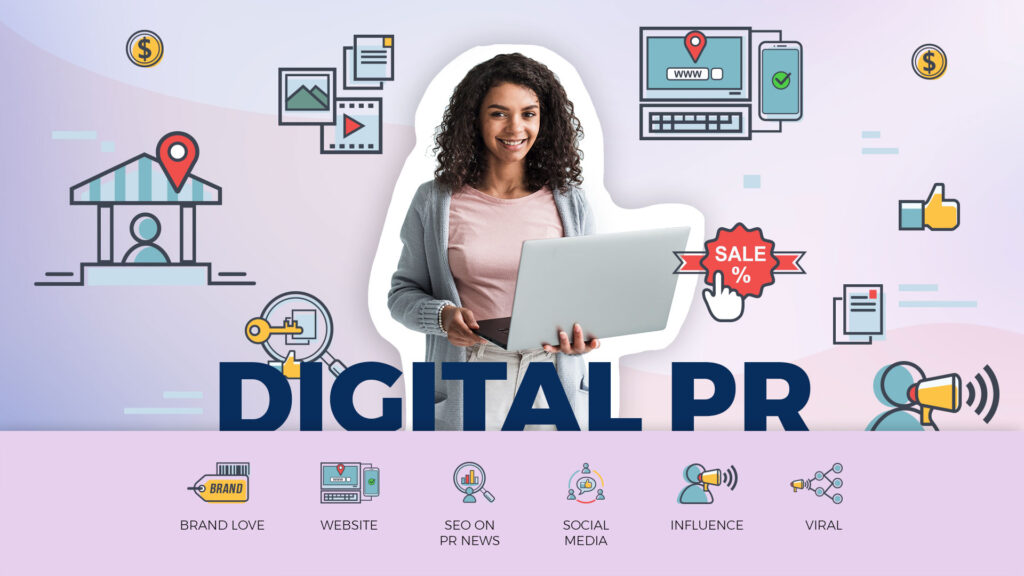
Digital visibility has become one of the most valuable assets a brand can build, and the companies leading this space are no longer traditional PR agencies in the classic sense. Today’s best digital PR companies operate at the intersection of media, search, and content, helping businesses earn attention where audiences actually spend their time—online. From securing high-authority backlinks to creating campaigns that spark widespread conversation, these agencies are redefining what public relations looks like in a digital-first world.
At its core, digital PR is about building credibility and authority across the internet. Unlike traditional PR, which focused heavily on print and broadcast media, digital PR prioritises online publications, blogs, influencers, and search performance. It plays a direct role in improving SEO, increasing brand awareness, and shaping how a business is perceived across digital channels. National Eye Institute is not relevant here, so instead consider how agencies themselves act as amplifiers of reputation in the same way media once did—only now at scale and with measurable impact.
Among the standout names in the UK and globally, agencies like Rise at Seven have gained recognition for blending creative storytelling with search data. Their campaigns are often built around trending topics and cultural insights, allowing brands to gain both media coverage and organic search growth simultaneously. This “search-first PR” approach has become a defining feature of top-tier agencies, where success is measured not just by coverage, but by long-term visibility.
Another key player is Verve Search, known for research-led campaigns that generate authority and backlinks in competitive industries. Their work highlights a broader trend among leading agencies: the use of data-driven content to attract attention from journalists and publishers. Instead of pitching stories alone, they create assets that naturally earn coverage.
Agencies such as JBH and Root Digital represent another important segment of the market—specialist firms focused on organic growth through PR, SEO, and content integration. These agencies often position themselves as long-term growth partners rather than short-term campaign providers, helping brands build sustainable authority over time.
More traditional PR giants have also adapted to the digital shift. Edelman remains one of the most influential firms globally, but its continued relevance comes from its ability to integrate digital strategy, influencer marketing, and data analytics into its services. This reflects a wider industry evolution, where even legacy agencies must operate with a digital-first mindset to stay competitive.
What separates the best digital PR companies from the rest is not just their client list or size, but their methodology. Leading agencies focus on measurable outcomes—links earned, search visibility improved, and brand mentions across authoritative platforms. They often combine PR with SEO, recognising that media coverage and search rankings are closely linked. This integration has become a defining characteristic of modern digital PR, where success is both creative and technical.
Creativity still plays a central role, but it is increasingly guided by data. Campaigns are designed with a clear understanding of what audiences are searching for, what journalists are likely to cover, and how content will perform across platforms. This balance between creativity and analytics allows top agencies to consistently deliver results that go beyond short-term publicity.
Another emerging trend is the shift toward specialist and boutique agencies. Rather than relying solely on large, full-service firms, many brands are turning to smaller, highly focused teams that offer deeper expertise in specific areas. Recent developments in the industry suggest that this model is gaining traction, with collaborative networks of niche agencies becoming more common as businesses seek tailored, high-impact strategies.
Choosing the right digital PR company ultimately depends on a brand’s goals. Some businesses prioritise rapid media coverage and brand awareness, while others focus on long-term SEO growth and authority building. The best agencies are those that align their approach with these objectives, offering a combination of strategy, creativity, and measurable performance.
As digital channels continue to evolve, the role of PR will only become more integrated with broader marketing efforts. The companies leading this space are not just securing headlines—they are shaping how brands are discovered, trusted, and remembered online.